Showing posts with label quinoa. Show all posts

Thursday, June 13, 2013

The 5:2 Diet - Fad or Fact? Time to experiment!


More and more I am hearing about a diet called the 5:2 diet – when I first heard about it, I was sceptical at this new fad diet, I even wrote a Facebook status about it, but I will explain my initial scepticism below. I am hearing more about it from different sources and have patients and work colleagues both trying it out, so its made me think... is there something good behind this diet? Is it just a fad, or is it fact?

About the 5:2 diet

So this diet was first made popular by Michael Moseley, who tried out the diet in the documentary, Eat, Fast & Live Longer. After 9 weeks on this diet, he found he lost 20 pounds (9 kilograms), a drop in cholesterol and lower blood sugar results. Pretty amazing stuff, as he didn’t increase exercise or anything else in his life.
The premise of the diet is for 5 days your eat normally, and then ‘fast’ for 2 days – this is not a total fast, but its a low calorie diet – men are limited to 600 calories a day, women 500 calories (a normal recommended amount to eat is 2000 calories per day). The days of fasting do not need to be consecutive.

There have been some studies on this diet type, which not only found weight loss and the cholesterol and blood sugar level improvements, but also improved brain function and even lower potentially cancerous  cells in the blood. This is due to a hormone known as IGF1. This hormone helps with normal growth in childhood, but in adults it can promote abnormal growth, such as cancer cells. By fasting, you are stopping the production of this hormone.  Other studies found that intermittent fasting increases levels of a protein called brain-derived neurotrophic factor (BDNF). BDNF stimulates new brain cells in the hippocampus – the area of the brain responsible for memory. The shrinking of the hippocampus is linked with dementia and Alzheimer’s – so intermittent fasting may play a role in these conditions. BDNF also has been found to be a mild  anti depressant!

Why was I so sceptical?

When I first heard about it, I got told ‘fast for 2 days, eat whatever you like for the other 5 days’ Thats just opening the flood gates, by telling people you can eat whatever you want for 5 days - I know some people that would take definite advantage of this! And as for calorie control – never been a big fan. People may go for lean cuisine, diet foods or low fat foods to make sure that they don’t go over their calorie count. Just because something is low calorie, does not mean its good for you! How about your health? As a naturopath, I work with nutrients, not calories, so this whole calorie counting realm is new to me.  If people are educated that they need to eat REAL foods and enough protein to keep them satiated, then this diet works quite well.

This picture encapsulates my 5:2 diet scepticism perfectly.

Time to experiment!

My husband and I are doing the 5:2 diet to see not only how it feels and what its like to live on a low calorie diet, but also to see what happens to us. My husband loves to run, so he is observing if by fasting he will have more energy to run or less – online forums give both yes and no answers for this. The only way to know is to try it ourselves!

The first fasting week

My husband and I this week have started the 5:2 diet. Keeping in mind about nutrients and to avoid deficiencies, I have been very careful with what we eat. I have been using the calorie king app to help keep us on track as far as calories go and it has been a real education to both of us.

Spring vegetable soup with cumin - my very filling and a tasty 150 calorie fast day lunch!

By the end of the first fasting day, we both found it strange to eat and be hungry 10 minutes later. No food could fill us! The next morning my body felt very clean internally – hard to describe it. We went out to breakfast where this one meal was the more than the whole calorie count of the day before, but the food felt so nourishing and like every molecule of that food was beneficial to the body. A great feeling! 


Possibly my new favourite meal- quinoa crumbed eggs with goats cheese and green bean  & almond salad. This was my post fast day breakfast from The Artful Dodger in Elsternwick. Definitely more calories than I consumed the day before! nom nom nom!

I’m typing this on my 2nd fasting day – it could be because I’m at home, but I’m finding it a lot easier today. I haven’t hit night time yet though. J

I will write blogs to follow up on the progress of this diet and will include meal ideas in those.


References to the studies mentioned are available upon request – laura.thenaturopath@gmail.com

Tuesday, January 8, 2013

Superfoods!

Look out! It's a bird, its a plane... no, its SUPERFOODS! 

Quinoa, acai berries, goji berries, chia seeds, cacao beans, sea vegetables - all of these and more have been given this label. But what are superfoods? They are food sources which contain a huge amount of nutrients, which could be vitamins, minerals or antioxidants.

These foods used to only be found in the health food store and raved on by health freaks, but now the trend of good food is hitting mainstream- 


This article explains how these amazing foods will be coming soon to a restaurant near you: http://www.goodfood.com.au/good-food/eat-out/the-taste-of-things-to-come--more-super-foods-step-up-to-the-plate-20130107-2cctt.html?rand=1357596297704

Monday, July 9, 2012

Superfood Soup - aka Naturopath Bingo Soup!


*vegan friendly *gluten free *dairy free *contains sesame seeds – avoid if allergic!

Why Naturopath Bingo?

Us naturopaths give great advice to patients on superfoods which are fantastic for health. And we all know the best foods so give prescriptions for the same foods. Thats why you could play naturopathic bingo with this soup. Its full of the amazing superfoods that naturopaths rave about which are full of nutrients and are so good for your health!
Superfood stars of this soup...
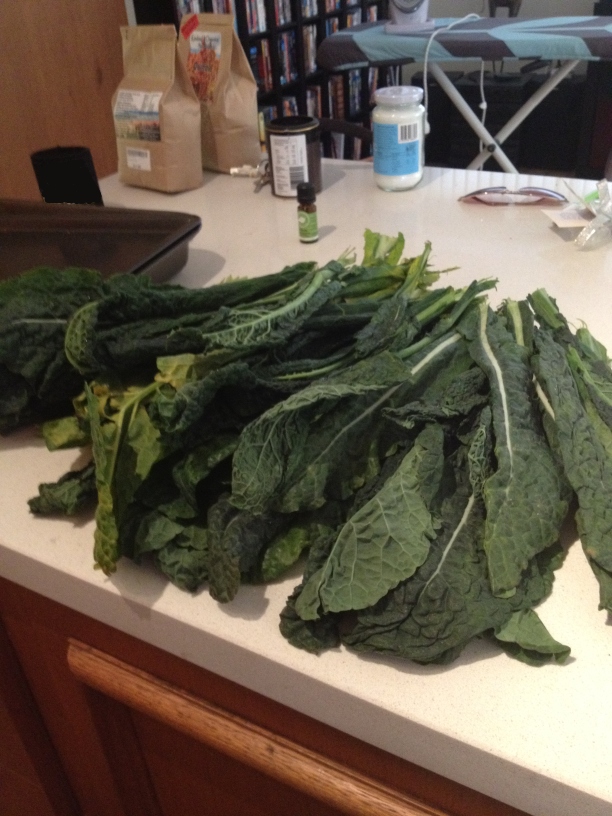
  •   Kale – Kale is the number one choice for naturopaths when eating dark leafy greens. Dark leafys are one of the most concentrated sources of nutrients in foods, with them being rich in minerals (including calcium, iron, magnesium and potassium) and vitamins (C, E, K and Bs). They also contain phytonutrients which provide antioxidant properties and are excellent for protecting cells against eye damage and age-related problems. The darker the green, the more nutrients and kale is the darkest green of them all! I had a huge amount of kale delivered to me this week and so I found this soup online so I could utilise it before it went off.

Kale explosion!!
  • Quinoa – Known as the mothergrain, quinoa is a complete protein, contains many nutrients and is also high in fibre. I’ve talked about why you should jump on the quinoa bandwagon in another blog, which you can find by clicking here!
  • Tahini – Tahini is sesame seed paste and is a fantastic vegan alternative to butter. It is also a great source of protein, as well as omega-3 and 6 fats, calcium, fibre, iron, magnesium, B vitamins and vitamin A. Tahini tastes similar to peanut butter, but is less likely to be oxidised – sesame seed oil is very stable in room temperature.
  • Garlic – Garlic is an pungent food which contains many medicinal properties. Raw garlic contains a constituent known as allicin, which is antimicrobial and fantastic to eat when you have a cold. This constituent is not heat stable and will lose its antimicrobial properties when cooked. Add it to the end of your cooking process to receive its full antimicrobial benefits. Garlic is also fantastic for cardiovascular health, lowers cholesterol and blood pressure, helps with liver detoxification and is anti-inflammatory.
I improvised a little as I had a bit more kale and wanted to add a bit more superfood love. Below is the original recipe and the parts in red are the parts I added.
Ingredients:
  • 1 small bunch kale *I used a BIG bunch of kale!
  • 4 tablespoons olive oil * I used coconut oil instead, as it was for heating.
  • 1/2 medium onion, finely chopped *2 brown onions
  • 1/2 cup quinoa *1 cup of quinoa, washed thoroughly first
  • 1/2 cup green lentils * 400g lentils, washed
  • 1 heaping teaspoon cumin 
  • 1/2 teaspoon curry powder
  • 5 cups water *2 litres of vegetable stock
  • 1 vegetable bouillon cube * didn’t use this, as I used liquid stock
  • 3 tablespoons tahini, plus more for garnish *4 tablespoons tahini
  • 2-3 tablespoons tamari (or soy sauce) *4 tablespoons tamari (wheat-free soy sauce)
  • * 4 cloves of smashed garlic

 Method:
  1. Wash and de-stem kale (use kitchen shears to cut along the sides of the stems.) Tear the leaves into smallish pieces.
  2. Heat oil in a large pot over medium heat, add onion and sauté for 3-4 minutes. 
  3. Add quinoa and lentils with 2 cups of stock and cook for 2-3 minutes; add cumin, curry powder, tahini, garlic, tamari and kale. Mix well. Add rest of the stock and bring to a boil. Cover and turn down heat to low. Simmer for 35-40 minutes.
  4. Simmer simmer!
  5. Carefully blend the hot soup in a food processor or blender and return to pot. You can skip this step or blend only half of the soup if you want some texture, but I think it’s nicest smooth. Add more tahini and tamari to taste.
  6. To garnish, mix 1-2 tablespoons of tahini with a small amount of water until it becomes smooth and bright. Drizzle on top of the soup and serve.

Soup is served!
The verdict...
This soup is delicious and gets better when left for a while. It tastes a little bit salty and I didn’t add any extra tamari at the end, but the aftertaste is amazing and it leaves you feeling satisfied, not full and very healthy!

Original recipe from: http://www.cookthink.com/recipe/11548/Kale_Soup

Thursday, June 21, 2012

10 Reasons why you should jump on the quinoa bandwagon!

Quinoa (pronounced keen-wah) has recently become popular in the Western world and has even made it onto the media circuit, it being used in meals on The Biggest Loser, My Kitchen Rules and Masterchef, just to name a few. So is this just a fad new food, or is it something to be taken seriously? If you haven’t tried it, its definitely time to jump on the quinoa bandwagon and I’ll give you 10 reasons why!
  1.  Quinoa is an ancient grain native to South America and mainly found in Bolivia, Peru, Columbia and Ecuador. For these cultures, this is a staple grain. The ancient Incans called it ‘the mother of all grains’ , valued it the same as gold and held it to be sacred.
  2. Quinoa is a gluten free grain, so is a coeliac-friendly alternative!
  3. Quinoa is one of the few plant-based complete proteins. This means that it contains all of the essential amino acids necessary for the dietary needs of humans. If you are vegetarian, you may be at risk of not eating enough of all these amino acids each day, so quinoa is a great option! Not only is quinoa a complete protein, its also a good source of protein, with roughly 14g of protein per 100g of uncooked quinoa!
  4. Quinoa is a good source of both soluble and insoluble fibre – Eating soluble fibre has been shown to reduce the risk of developing heart disease by reducing cholesterol levels.  Eating insoluble fibre has been shown to reduce the risk of developing constipation, colitis, colon cancer and haemorrhoids.  Diabetics on high-fibre diets need much less insulin.
  5. Quinoa is high in magnesium, phosphorus and potassium. Those on potassium-sparing diuretic medications should note that 1 cup of cooked quinoa is equivalent amounts of potassium to 1 banana. Quinoa also contains smaller levels of iron, zinc and calcium.
  6. Quinoa is easy to digest, which means those who have trouble absorbing nutrients from foods (such as the elderly, people on some medications, or with gut issues) will find this a nourishing and easy way to get your nutrients.
  7. Quinoa is very easy and quick to cook! Before cooking, wash your quinoa under water thoroughly to remove the outer coat of saponins which make it more difficult to digest. Some people like to soak their quinoa for 5 minutes before use to be sure all saponins are gone. The cooking method is similar to rice, bringing 2 cups of water to 1 cup of grain and cover on a low simmer for 10-15 minutes, or until the germ seperates from the seed. The cooked germ looks like a tiny curl and should have a slight bite to it. You can also cook it in a rice cooker on the same water : quinoa ratio.
  8. Uncooked vs. Cooked Quinoa: 1/3 cup makes this much cooked (this is an average dinner plate)
  9. 2013 has been declared the UN International Year of Quinoa. A grain that has had a year declared for it can’t be all that bad!
  10. It tastes yummy! The taste and texture of quinoa is a bit like brown rice crossed with oats. It’s fluffy, creamy, crunchy and somewhat nutty, all rolled into one.
  11. Quinoa is a very versatile grain, with it being used in both sweet and savoury dishes. A few ideas on how to have it...
·         Make a quinoa salad - you could try my quinoa tabouli, or simply grate up some vegies and toss your quinoa in with it. Very easy.
·         An alternative to using wheat pasta – very tasty with a pasta sauce (like my ridiculously easy sauce!)
·         Add to soups to add texture and make a hearty meal
·         Instead of fried rice, make fried quinoa!
·         Quinoa patties
·         Quinoa porridge
·         Add quinoa flakes to smoothes
·         Puffed quinoa with muesli and yoghurt (similar taste to rice bubbles!)
·         Just by itself!

So there you have it, ready to jump on the bandwagon now?  You can buy quinoa from some supermarkets (its usually in the health food aisle), at markets and health food stores.

Think before you buy...

Something which has recently come to light about quinoa is unfortunately as the demand of it increases in the Western world, the price has also increased for the native people in Bolivia. This means what was once a staple keeping people healthy is now unavailable and they are forced to eat more nutritionally-devoid foods, like white rice and noodles.
Check the back of the pack of your quinoa to see where it comes from.  If you are in Australia, Kindred Organics from Tasmania is available in many stores so purchase local products to help local farmers and reduce the requirements from Bolivia.

Quinoa comes in white, red and black grain. There is no large difference between them all nutritionally, some people say that the red grain is slightly harder to break down that the white. Some places make a mix of the 3 to make a multicoloured dish.

So now you know about this amazing food! Be inspired to add it to your breakfasts, lunches and dinners!

Uncooked vs. Cooked Quinoa - know the difference!


Wednesday, May 23, 2012

Whats on tonights menu? Quinoa Tabouli!


Ok, so its not really tabouli. Tabouli is traditionally made with bulgur, parsley and tomatoes chopped up. This is a bunch of other things chopped up, but its pretty and green and still just as nice to have as a side.

With winter approaching, its important to keep up our leafy greens. They are still out there growing, but because we associate making salads as a summer affair, we tend to skip our raw crunchy fresh veg and replace it with roasted goodies. Don’t get me wrong, roasted vegetables still are a fantastic source of nutrients, however some nutrients can be lost in cooking, so its important to keep up the raw stuff as well!

This salad is chock full of leafy greens, which are a powerhouse of nutritional goodness and are one of the most concentrated sources of nutrients in foods. They are a rich source of minerals (including iron, calcium, potassium and magnesium) and vitamins (including vitamin C, E, K and many of the B vitamins). They also contain a variety of phytonutrients including beta-carotene, lutein and zeaxanthin which are important for protecting cells from eye damage and age-related problems.  The darker the green, the richer the nutrients. Kale (also known as Tuscan cabbage) is a favourite among naturopaths and healthy food followers as it very dark green and therefore very nutritious (and delicious!).  To learn more about kale, goto my friend Natalies brilliant blog, where she shows you how to cook kale in 5 ways... http://nataliethenaturopath.tumblr.com/post/21426066710/kale-five-ways-part-i-kale-smoothie


Now its salad making time!
How to make...
  1. Cook up ¾ cup of raw quinoa (pronounced keen-WAH) in a rice cooker (the ratio of water to quinoa is 2:1) or saucepan. It should take about 20 minutes to cook. Drain (if cooked in a saucepan) and allow it to cool.
  2. Toast a handful of pine nuts in a frypan on a low heat. Once they start to be aromatic and turn golden, take off the heat, they can burn quite quickly. Set aside to cool. *This is an optional extra, but adds new dimensions when added to foods!
  3. Using a knife or food chopper (not sure if thats the official name of it, but it chops food, so therefore I name it this!), chop up finely your greens. This can be whatever greens you want. Tonight I used a mix of spinach, rocket, kale and basil. I used a few handfuls of spinach, 1 handful of rocket, a handful of basil and 10ish kale leaves (stalks removed).You could also add parsley, mint (if you’re after a freshness, but I wouldn’t add much), beetroot greens, coriander, mustard greens, carrot tops, celery leaves, bok choy...  Once finely chopped, put into your salad bowl.
  4. Chop up any extra ingredients you want. This not only gives you colour, but provides the extra flavours which will complement your greens. Tonight I added pine nuts (see above), sundried tomatoes, red onion and capsicum. Stuck for other vegies to add? I’ve also used tomatoes, carrot and celery. Use your palate to decide what you want. Add the chopped extras to the bowl with the greens.
  5. Just before serving, combine all ingredients, add cracked pepper, olive oil and a dash of sesame oil (if you have it), then toss.

Serves 4.


This can served as a side (as pictured above), or by itself. Tonight I served it will salmon cooked in coconut oil and topped with salt, pepper and shichimi (Japanese pepper mix).

Don’t be afraid of your kitchen, it can smell your fear. Instead, face it head on armed with a bunch of ingredients and show it what you can do!

 –Laura x