Showing posts with label coconut oil. Show all posts

Wednesday, February 20, 2013

Oil pulling - the Naturopath's new black.

Just like everyone else, naturopaths have fads that come up every now and then. It could be a new piece of research, a vitamin deficiency trend, or a new superfood. In my group of naturopath friends, a new trend has been gaining in popularity and so I thought I should share this amazing health gospel so its not just for naturopaths!


So what is oil pulling?

Oil pulling is an ancient Ayurvedic (traditional Indian medicine) ritual, which was introduced to the western world in the early 90s. It involves keeping a spoonful of oil in your mouth then swishing and 'pulling' it between your teeth for 20 minutes. This action provides a powerful detoxifying and cleansing effect for our mouths.

Our mouth is a large city of bacteria, fungi, viruses and other toxins. Candida albicans and Streptococcus are well known residents to this land. These products and their toxic waste by-products are known to cause gum disease, tooth decay and can also contribute to other health conditions such as arthritis and heart disease. By doing a 20 minute oil pulling each day, you are removing these harmful products from the mouth.

According to Bruce Fife, naturopath and author of Oil Pulling Therapy: Detoxifying and Healing the Body Through Oral Cleansing, the health benefits of oil pulling include:

  • Brighter, whiter teeth
  • Healthier gums
  • Prevents bad breath
  • Increased energy
  • Clearer mind
  • Decreased headaches
  • Clearer sinuses
  • Alleviated allergies
  • Better sleep
  • Clearer skin
  • Regulated menstrual cycles
  • Improved lymphatic system
  • Improved PMS symptoms

Such a simple, easy and cheap method to help your health, who would have thought it?

How to oil pull

Oil pulling is best done first thing in the morning, on an empty stomach.

Spoon a tablespoon of organic, cold-pressed vegetable oil (I found coconut oil is best - olive oil goes very bitter) into your mouth and swish it around for 20 minutes, then spit it out. While swishing your oil you do some some jobs around the house - have a shower, clean up, make breakfast, water the garden... you don't need to sit there and watch the clock tick by! In fact, I've written half of this blog while oil pulling!

Never swallow the oil, as it is full of toxins and rinse your mouth out afterwards.

20 minutes can be a very long time for first time pullers, so just go as long as you can. Some people who have a strong gag reflex may need to be spit earlier, but please stick with it... its so easy to do to improve your health!

My personal oil pulling experience

I'm still a newbie to this, but I really like it. My first attempt with olive oil only lasted 5 minutes, as the bitterness of the oil was putting me off and it feels very odd to be swishing a thick liquid in your mouth. With my second pulling experience I used coconut oil and lasted 17 minutes before my gag reflex came in. I have to say, my mouth feels amazing - so clean and my teeth have that 'just brushed' feeling. Hello new morning ritual!

Are your oil pullings showing?


Don't knock it until you try it - I urge to give it a go, even if its just once!


Tuesday, November 13, 2012

Spicy garlicky cripsy goodness snow peas & salmon

Ok, I think the title gives you the idea on what this is all about.

Recipe inspired from myrecipes.com, snow peas fresh from my in-laws garden :)


Tonights meal - hoisin glazed salmon, with steamed vegies and spicy garlic snow peas!

Hoisin salmon: 2 tablespoons of hoisin sauce, 2 teaspoons of tamari (or soy sauce) and 1/2 teaspoon of sesame oil. Marinading only needed to be done 10 minutes prior to cooking. I cooked mine in a fry pan with a bit of coconut oil, but it can also be baked.

The snow peas were the star of this dish and I had to share how to make AMAZING snow peas in 5 minutes!

Heat 1 tsp of coconut oil in a large nonstick skillet over medium-high heat. Add snow peas and 1/4 teaspoon salt; sauté for 2 minutes. Stir in 2 crushed garlic cloves and your choice of spices (I used Shichimi pepper mix); sauté for 1 minute. Stir in 1/4 teaspoon sugar; sauté 1 minute. Remove from heat; drizzle with 1/2 teaspoon dark sesame oil. Spicy, garlicky, sweet, crispy goodness.


And the steam vegies on the side, look to my steam vegies blog for more on those!

Monday, July 9, 2012

Superfood Soup - aka Naturopath Bingo Soup!


*vegan friendly *gluten free *dairy free *contains sesame seeds – avoid if allergic!

Why Naturopath Bingo?

Us naturopaths give great advice to patients on superfoods which are fantastic for health. And we all know the best foods so give prescriptions for the same foods. Thats why you could play naturopathic bingo with this soup. Its full of the amazing superfoods that naturopaths rave about which are full of nutrients and are so good for your health!
Superfood stars of this soup...
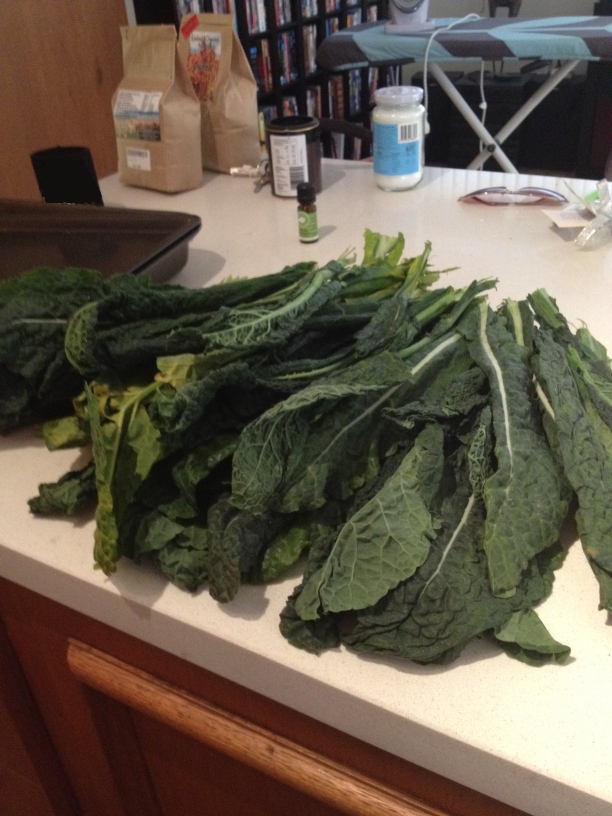
  •   Kale – Kale is the number one choice for naturopaths when eating dark leafy greens. Dark leafys are one of the most concentrated sources of nutrients in foods, with them being rich in minerals (including calcium, iron, magnesium and potassium) and vitamins (C, E, K and Bs). They also contain phytonutrients which provide antioxidant properties and are excellent for protecting cells against eye damage and age-related problems. The darker the green, the more nutrients and kale is the darkest green of them all! I had a huge amount of kale delivered to me this week and so I found this soup online so I could utilise it before it went off.

Kale explosion!!
  • Quinoa – Known as the mothergrain, quinoa is a complete protein, contains many nutrients and is also high in fibre. I’ve talked about why you should jump on the quinoa bandwagon in another blog, which you can find by clicking here!
  • Tahini – Tahini is sesame seed paste and is a fantastic vegan alternative to butter. It is also a great source of protein, as well as omega-3 and 6 fats, calcium, fibre, iron, magnesium, B vitamins and vitamin A. Tahini tastes similar to peanut butter, but is less likely to be oxidised – sesame seed oil is very stable in room temperature.
  • Garlic – Garlic is an pungent food which contains many medicinal properties. Raw garlic contains a constituent known as allicin, which is antimicrobial and fantastic to eat when you have a cold. This constituent is not heat stable and will lose its antimicrobial properties when cooked. Add it to the end of your cooking process to receive its full antimicrobial benefits. Garlic is also fantastic for cardiovascular health, lowers cholesterol and blood pressure, helps with liver detoxification and is anti-inflammatory.
I improvised a little as I had a bit more kale and wanted to add a bit more superfood love. Below is the original recipe and the parts in red are the parts I added.
Ingredients:
  • 1 small bunch kale *I used a BIG bunch of kale!
  • 4 tablespoons olive oil * I used coconut oil instead, as it was for heating.
  • 1/2 medium onion, finely chopped *2 brown onions
  • 1/2 cup quinoa *1 cup of quinoa, washed thoroughly first
  • 1/2 cup green lentils * 400g lentils, washed
  • 1 heaping teaspoon cumin 
  • 1/2 teaspoon curry powder
  • 5 cups water *2 litres of vegetable stock
  • 1 vegetable bouillon cube * didn’t use this, as I used liquid stock
  • 3 tablespoons tahini, plus more for garnish *4 tablespoons tahini
  • 2-3 tablespoons tamari (or soy sauce) *4 tablespoons tamari (wheat-free soy sauce)
  • * 4 cloves of smashed garlic

 Method:
  1. Wash and de-stem kale (use kitchen shears to cut along the sides of the stems.) Tear the leaves into smallish pieces.
  2. Heat oil in a large pot over medium heat, add onion and sauté for 3-4 minutes. 
  3. Add quinoa and lentils with 2 cups of stock and cook for 2-3 minutes; add cumin, curry powder, tahini, garlic, tamari and kale. Mix well. Add rest of the stock and bring to a boil. Cover and turn down heat to low. Simmer for 35-40 minutes.
  4. Simmer simmer!
  5. Carefully blend the hot soup in a food processor or blender and return to pot. You can skip this step or blend only half of the soup if you want some texture, but I think it’s nicest smooth. Add more tahini and tamari to taste.
  6. To garnish, mix 1-2 tablespoons of tahini with a small amount of water until it becomes smooth and bright. Drizzle on top of the soup and serve.

Soup is served!
The verdict...
This soup is delicious and gets better when left for a while. It tastes a little bit salty and I didn’t add any extra tamari at the end, but the aftertaste is amazing and it leaves you feeling satisfied, not full and very healthy!

Original recipe from: http://www.cookthink.com/recipe/11548/Kale_Soup

Tuesday, June 26, 2012

Coconut Oil


I thought this would be a good time to bring up cooking oils. It is usually recommended by TV to use olive oil over other oils (vegetable oil, sunflower oil) as it has been shown to reduce cholesterol levels and the risk of cardiovascular disease (CVD). While it is fantastic to put on salads and on foods after cooking, olive oil is not a heat stable oil and loses its health benefits when heated and can convert to trans fats - a harmful by-product which can increase the risk of CVD, obesity, diabetes, cancer and even Alzheimer's. 

Saturated fats are heat stable (solid at room temperature) and are less likely to convert to trans fats. A safe and healthy alternative to use is coconut oil.

What is coconut oil?
Coconut oil is a highly aromatic saturated fat which can be used for cooking. It is mainly used in parts of Asia (such as Malaysia and Vietnam) and India and adds a slight coconut taste to cooking. 

What are the health benefits of coconut oil?
Cholesterol lowering
Coconut oil contains lauric acid, which contains the ability to assist in cholesterol management. There have been mixed results in coconut oils  activity with cholesterol levels: some studies indicate that it lowers LDL cholesterol and oxidation in the body, while others indicate that the negative effects of saturated fats suggest that it should not be consumed regularly. Coconut oil has been found to decrease cholesterol in studies performed in its countries of origin, leading to theories that it may be due to the storage methods or lowered deterioration of the oil.

Anti fungal properties
Coconut has been found to have antimicrobial properties, with studies showing that it has the ability to kill fungal infections including Candida albicans (Thrush). It also has been shown to have moderate anti-inflammatory and pain relief properties in animal studies.

Weight loss / thyroid assistance
Some websites claim that coconut oil may have properties which assist weight management due to an effect up on the thyroid. This property cannot be substantiated, as there has been no research found to backup this claim.

Antioxidant
Coconut oil has been found to lower oxidation effects in the body, making it a good antioxidant. It has been found that extra virgin coconut oil contains more antioxidants, so buy extra virgin (unless you really don't like a coconutty flavour)

What do I look for if I’m going to buy it?
Coconut oil can be found in all good health food stores. Extra virgin Coconut oil is extracted via a wet process, and coconut oil is extracted via a dry process. Buy either virgin or extra virgin - Extra virgin will give you a slight coconut taste, while virgin has no coconut taste.  

Organic coconut oils will not contain genetically-modified coconut or have previous pesticide use, so the healthier option would be to buy an organic brand.

Storage:  Keep your coconut oil jar in a cool place, as it can melt with heat (tip: keep it in the fridge in summertime!).

How to use: Use it just the same as you would butter in a fry pan. Coconut oil will melt pretty quickly and if using extra virgin coconut oil, your kitchen will smell amazing, especially if you cook it up with onions!